Helping Environmental Educators Navigate Nature and AI with Integrity
Guided nature walks, nature journaling classes, and workshops on ethical AI use in environmental education.

Welcome! I’m Laura, an Interpretive Naturalist based in Greenville, SC and Poultney, VT, and the educator behind Nature Investigations. I design and lead nature programs for people of all ages, helping participants build curiosity, connection, and a deeper sense of place through meaningful outdoor experiences.
Since the 1990s, I’ve led programs ranging from tracking birds and journaling wildflowers to wrangling field trip groups, and even crawling into a beaver lodge. Through this work, I’ve learned that creativity, adaptability, and dialogue make great interpretation, inviting people not just to learn about nature, but to care about it.
That same commitment to environmental values now guides my work helping environmental educators and interpreters navigate AI in environmental education without compromising authenticity, trust, or connection to place.
I’m a Certified Interpretive Guide through the National Association for Interpretation* and a Certified Nature Journaling Educator with the Wild Wonder Foundation*. I have also completed professional training in AI integration for small organizations*, which equips me to help educators make intentional, values-based decisions about AI use.
Together, these experiences shape my approach: engaging learners through observation, inquiry, and shared discovery, whether in the field or in professional conversations about AI.
I look forward to investigating nature with you.
*https://chaoticconfluence.substack.com

Before You Use AI
Making defensible decisions in environmental education & interpretation
A focused 90-minute online workshop for environmental educators and interpreters. $75/participant.
If you’ve had to review AI-generated content, answer questions about using AI at work, or decide whether AI “feels okay” to use, this workshop focuses on how to make those calls clearly and defensibly.
Many environmental educators and interpreters are starting to encounter AI in their work, often informally and without clear guidelines. Yet, they are still being asked to make decisions about it with little support and real professional risk.
This 90-minute online workshop helps you decide when, whether, and why to use AI before those choices affect trust, accuracy, or your ability to stand behind your work.
This is not about learning AI tools. It’s about avoiding inaccurate content, protecting your voice, and making decisions you can stand behind with your staff and your audience.
Participants explore:
Using the AI Compass Framework, participants leave with:
August 25, 2026, 1 p.m. - 2:30 p.m.
For registration: BeforeYouUseAIAug25
August 27, 2026, 7 p.m. - 8:30 p.m.
For registration: BeforeYouUseAIAug27
Or:
Contact: natureinvestigations@gmail.com to schedule a workshop for your team.
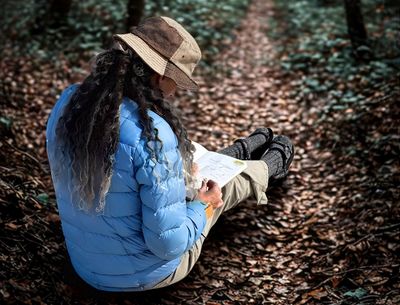
Develop observation, inquiry, and creativity through hands-on field journaling.
These welcoming, outdoor-based nature journaling workshops invite adults to slow down and connect more deeply with the natural world. Nature journaling blends curiosity, creativity, and mindful observation, helping participants strengthen their skills in noticing patterns, asking questions, and recording discoveries in the field.
During each guided nature journaling session, I introduce simple techniques in writing, sketching, and scientific observation so you can develop a journaling style that feels natural and sustainable. We wander outdoors with journals and pencils in hand, pausing to explore whatever the landscape offers that day.
Whether you’re new to nature journaling or have years of experience, these small-group workshops provide a relaxed space to practice outdoor journaling, build confidence, and connect with other nature enthusiasts.
Format: Outdoor, small-group nature journaling workshop
Experience Level: No prior art or journaling experience required
Contact: natureinvestigations@gmail.com to schedule a workshop for your group

These outdoor guided nature walks invite adults to explore local landscapes through observation, storytelling, and conversation. Each walk blends natural history, seasonal phenomena, and place-based environmental education, encouraging participants to slow down, ask questions, and deepen their connection to the natural world.
Participants learn to observe the way naturalists do, noticing patterns, identifying species, and exploring how plants and animals interact within their habitats. Whether we’re walking forest trails, wetlands, or open fields, each guided nature walk offers a chance to build ecological understanding and a stronger sense of place.
These nature walks are ideal for community groups, homeschool families, nature enthusiasts, and organizations seeking meaningful outdoor learning experiences.
Format: Outdoor, guided exploration
Offered: Public walks (see calendar) or private group bookings
Contact: natureinvestigations@gmail.com to schedule a guided nature walk for your group
This hands-on environmental education program introduces students to nature journaling (also known as field journaling) as a way to slow down, observe closely, and develop a deeper understanding of the natural world.
In this guided nature journaling workshop for students, participants practice observing the way naturalists, scientists, and artists do by combining sketching, writing, and reflection to record what they notice and wonder. Nature journaling strengthens observation, inquiry, and scientific thinking in both indoor and outdoor learning environments.
Students experiment with a variety of journaling techniques that build curiosity, attention to detail, and critical thinking skills. Time is spent both indoors and outdoors (weather permitting), with students carrying their supplies as they explore and document their surroundings. No art experience is required.
Length: 90 minutes
Fee: $250
Group size: Maximum of 20 participants
What to bring: Pencil, journal, portable chair
Adult participation: All participants must be accompanied by an adult
Contact: natureinvestigations@gmail.com to schedule a workshop for your group
This engaging environmental education program introduces children to the fascinating world of animal adaptations through stories, puppets, songs, and hands-on exploration.
Animals have developed incredible survival strategies, some surprising, some strange, and all purposeful. In this interactive wildlife education program, children discover how local animals find food, stay safe, and care for their young using creative physical and behavioral adaptations.
From unexpected diets to clever defenses, participants learn that what may seem unusual to us serves an important role in nature. Along the way, children practice observation skills, build foundational science vocabulary, and begin to understand animals as wildlife adapted to specific habitats.
Length: 60 minutes
Program Fee: $250 per session (up to 20 participants)
Audience: Ages 5–11 (families welcome)
Adult participation: Children must be accompanied by an adult
Contact: natureinvestigations@gmail.com to schedule this wildlife education program for your group.
Outdoor Guided Nature Walks
These guided walks invite adults to investigate the natural world through observation, stories, and conversation. Each walk combines natural history, seasonal phenomena, and shared exploration, encouraging participants to slow down, ask questions, and increase their sense of place.

I offer interactive, customizable environmental education programs for libraries, schools, homeschool groups, senior centers, and community organizations in the Greenville, SC and southeastern VT areas.
Each program is tailored to your audience and setting, exploring natural history through hands-on activities, storytelling, observation, and inquiry. Whether your group is interested in wildlife, seasonal ecology, habitats, or local ecosystems, programs are designed to inspire curiosity and deepen understanding of the natural world.
These custom nature programs can be adapted for different age groups and learning goals, making them ideal for educational enrichment, community events, and lifelong learning.
Contact: natureinvestigations@gmail.com to discuss your program needs.
Please send your request by using the button below, or through email: natureinvestigations@gmail.com
Greenville, SC

Reflections from the Field is a newsletter for interpretive naturalists and environmental educators who are passionate about connecting people with nature. Whether you’re new to the field or a seasoned interpreter, this newsletter offers creative strategies, practical tips, and stories to help navigate this unique profession.
